
There is a reason a bowl of porridge helps keep you full all morning, while a muffin leaves you with mid-morning sugar cravings.
Fibre.
What does fibre do?
Fibre is a nutritional winner when it comes to staying fuller for longer, assisting in reducing chronic disease risk and supporting healthy bowels. As the part of plant-based foods that is not digested or absorbed by the small bowel, fibre moves into the large bowel, where it is broken down by bacteria. Often called roughage, this is what creates the stool to have a bowel motion.
A high-fibre meal is processed more slowly, taking time to unpackage all of the nutrients. Due to this slower break down, sugars are released more slowly, which slows sugar absorption, and therefore, reducing blood sugar spikes. Similarly, higher fibre can assist in managing cholesterol as the higher bulk of fibre reduces cholesterol absorption and leads to more cholesterol being excreted. The bulk of fibre also assists with weight management by helping us feel fuller for longer. Lastly, eating enough fibre is vital for healthy bowels by keeping things moving smoothly through our digestion, reducing bowel cancer risk and keeping our gut healthy.
What counts as fibre?
There are several types of fibre, which affects bowel motions in different ways; soluble fibre, insoluble fibre and resistant starch.
Soluble fibre dissolves in water, creating a gel-like substance and can assist with softening stools. Found in foods such as oats, oat bran, apples, bananas, oranges, pears, legumes.
Insoluble fibre does not dissolve in water, but rather, adds bulk, and can speed up transit time by creating bulk to move through the bowel. Found in foods such as wholegrains and wholegrain products, nuts, seeds, vegetables (skin and seeds), and fruit (skin and seeds).
Resistant starch is a prebiotic fibre, which feeds the good bacteria in the large bowel. Found in unripe bananas, legumes, oats, and cooked and cooled potato, rice, quinoa, pasta.
There is also a type of fibre known as functional fibre. All other types of fibre listed are naturally occurring in plant foods, while functional fibre describes processed, isolated fibre. This includes ingredients such as chicory root extract, known as inulin, which is added to products such as Freedom Foods Active Balance Cereal, Freedom Foods Barley + Wraps; or wheat dextrin, which comprises Benefiber, a fibre supplement.
Variety is key
It is important to include a variety of all fibre types for gut health and to maximise healthy bowels. There’s no need to stress about closely counting how much of each fibre type we’re consuming, however, the important thing is to eat a wide range of fibre-containing foods to get the most out of each type. Though, it can be helpful to know how the different types of fibre work if you’re experiencing certain symptoms, such as diarrhoea or constipation, and understanding the best options to include more of to address these issues.
Remember, fibre is present in the following:
- Grains: wholegrain bread, fibre-containing cereals, rice, pasta, oats.
- Legumes: chickpeas, lentils, baked beans, black beans, kidney beans, split peas.
- Tofu and tempeh.
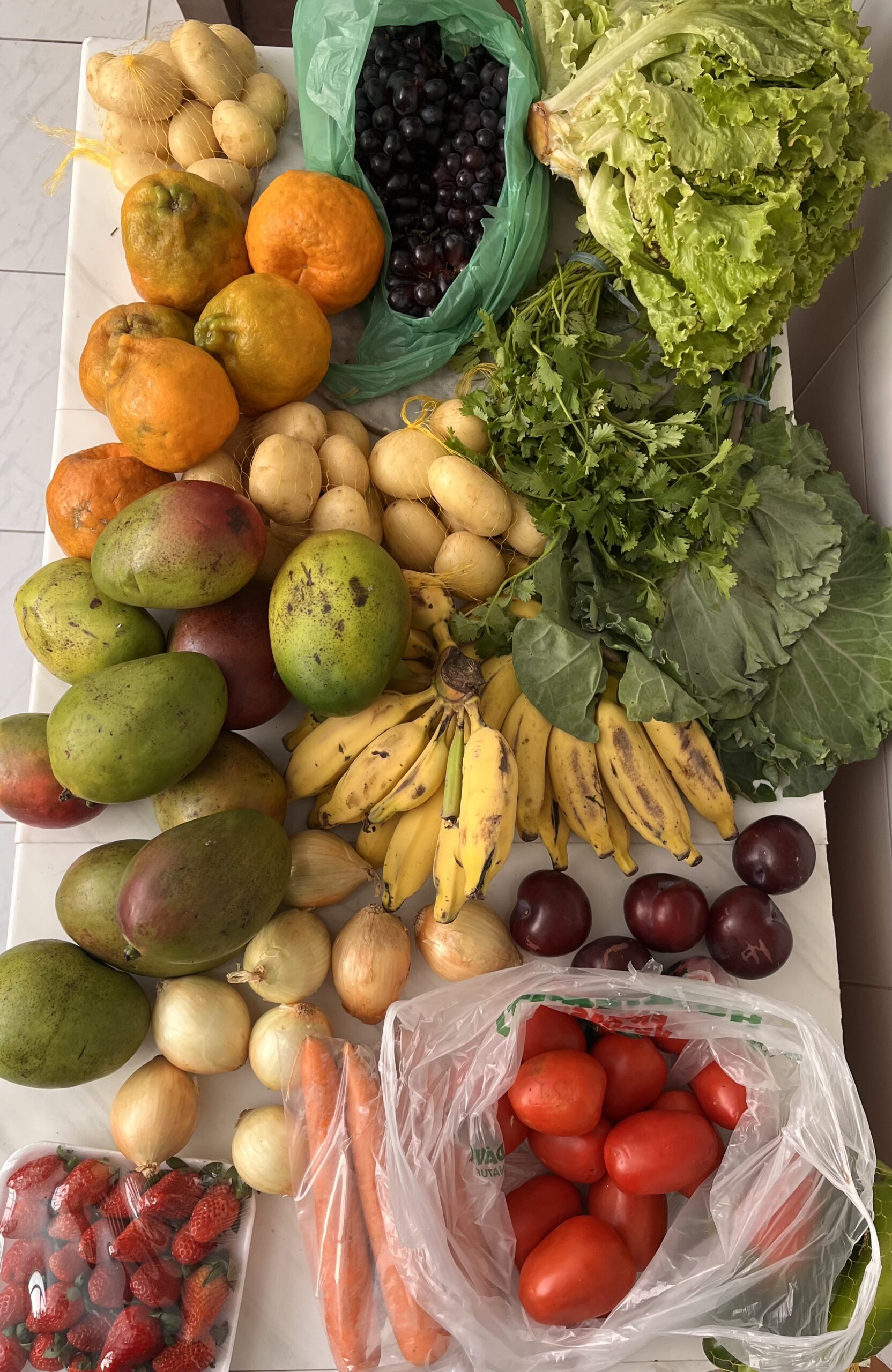
- All fruits and vegetables.
- Nuts and seeds.
Fibre tips and examples
Tips to increase fibre of main meals:
- Add legumes and lentils to stir-frys, soups and casseroles.
- Opt for higher fibre wholegrains such as brown rice, wholewheat pasta, wholegrain bread.
- Top salads, yoghurts, cereal with nuts and seeds.
- Add lentils to bulk out mince dishes.
An example of a fibre rich breakfast would be:
- 1 cup oats or 5 grain porridge cooked on water and topped with low fat milk or calcium rich dairy free oat/almond/soy milk or skim yoghurt with 1 tbsp chia or linseeds and a grated pear or stewed prunes.
- 1-2 slices wholegrain sourdough rye bread with sliced tomato, cottage cheese or smooth ricotta or 1-2 eggs and a tbsp hummus or small can baked beans, add extra beans/legumes of choice with sprinkle of extra light cheese.
Best fibre rich low-calorie snacks:
- Air popped popcorn.
- Fibre rich fruits such as raspberries, oranges, apples, pears.
- Whole grain crackers such as Ryvitas, Vita-weats.
- Hummus with carrot sticks,
- Fibre rich muesli bar e.g. Barley + wholegrain bars.
- Nuts and seeds/trail mix.
How much fibre should I eat?
The key is to distribute fibre rich foods over the day. The optimal level is aiming for 30-40 grams a day for healthy adults. However, be sure to increase fibre gradually to avoid bloating/discomfort and drink plenty of water to assist movement of extra fibre through the bowel.
Please note, a high fibre diet is not appropriate for everyone – fibre goals are impacted by certain health conditions. Please check with your health professional before increasing your fibre if you have a medical condition.

0 Comments