
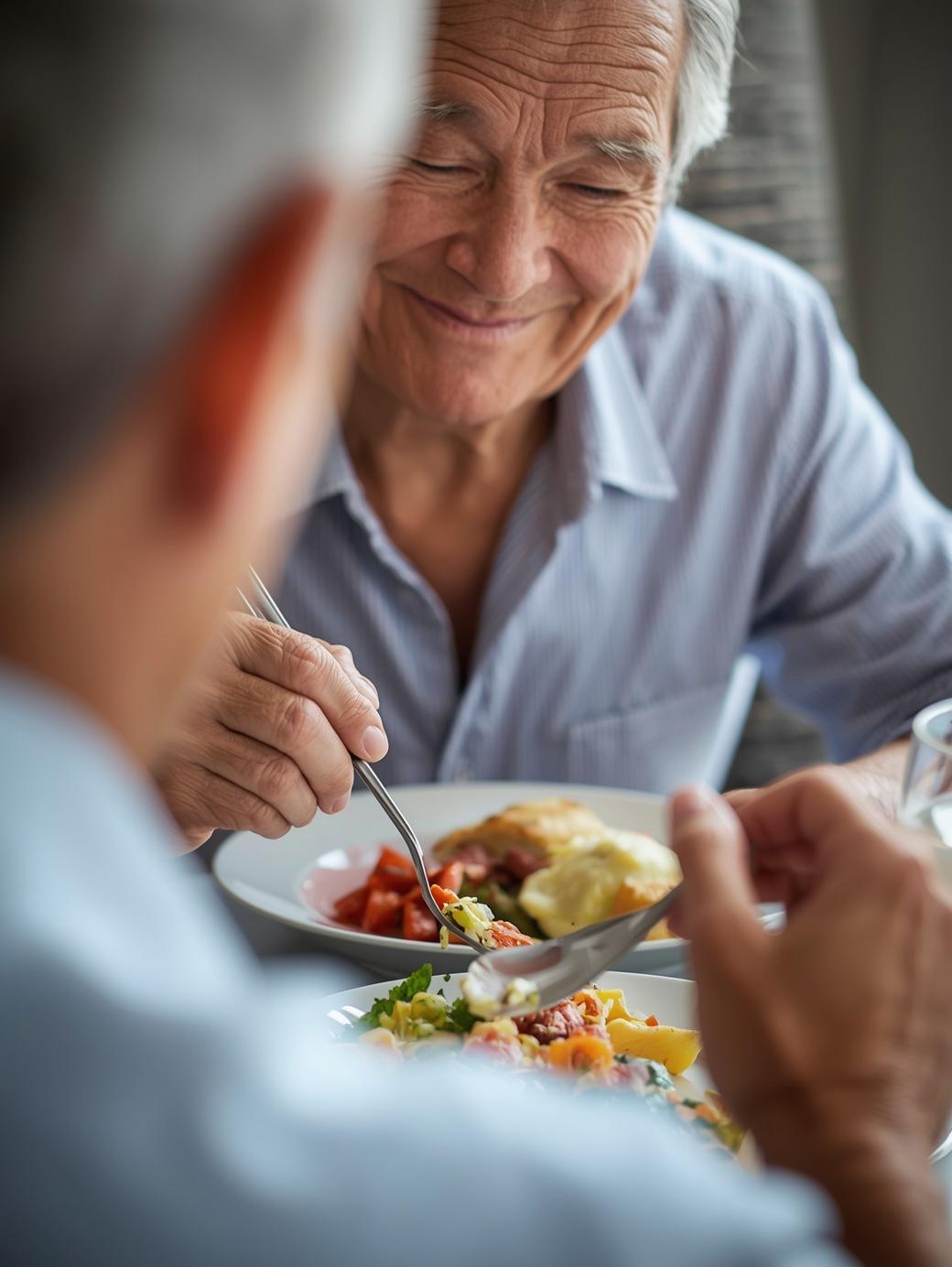
The prevalence of malnutrition in Australian’s elderly is growing, with around 50% of older Australian’s living in community and Aged Care either at risk or already classified as malnourished.
The role of a dietitian is to work closely with clients, their family and medical team to ensure safe, practical and enjoyable food and fluid options to prevent or treat malnutrition.
What is malnutrition?
Malnutrition is a medical condition which occurs when the body does not get the right amount of nutrients it needs from the diet to be able to function at its best.
This can be due to eating less or skipping meals, choosing foods with poor nutritional quality, increased nutritional requirements due to illness or ageing and difficulty absorbing nutrients properly. As a result of this, many serious issues can arise, such as:
- Weight loss and muscle wasting which can result in fatigue and inactivity
- Greater risk of falls, infection, and injury
- Reduced independence and poorer quality of life
- Longer recovery from injury or illness
- Increased need for care, assistance and support
Why good nutrition matters
Eating well is about more than just calories – it’s about maintaining strength, energy, and wellbeing. Good nutrition helps to:
- Support recovery from infections, illness and injury
- Improve mood, memory, concentration and sense of well-being
- Keep weight stable and within a healthy range
- Boost energy levels and maintain muscle strength
Practical tips to prevent weight loss
- Eat small frequent meals and snacks throughout the day
- Choose foods and drinks rich in protein and energy
- Prioritise eating at mealtimes, even if appetite is low
- Make meals more nourishing by adding healthy extras (e.g. milk powder, cheese, nut butters)
- Include nourishing drinks such as smoothies or fortified milk.
If you are concerned about malnutrition for yourself or a loved one, I can provide personalised strategies and support to reduce risk and improve wellbeing. Reach out today to schedule an appointment and take the first step towards healthier ageing.
0 Comments