
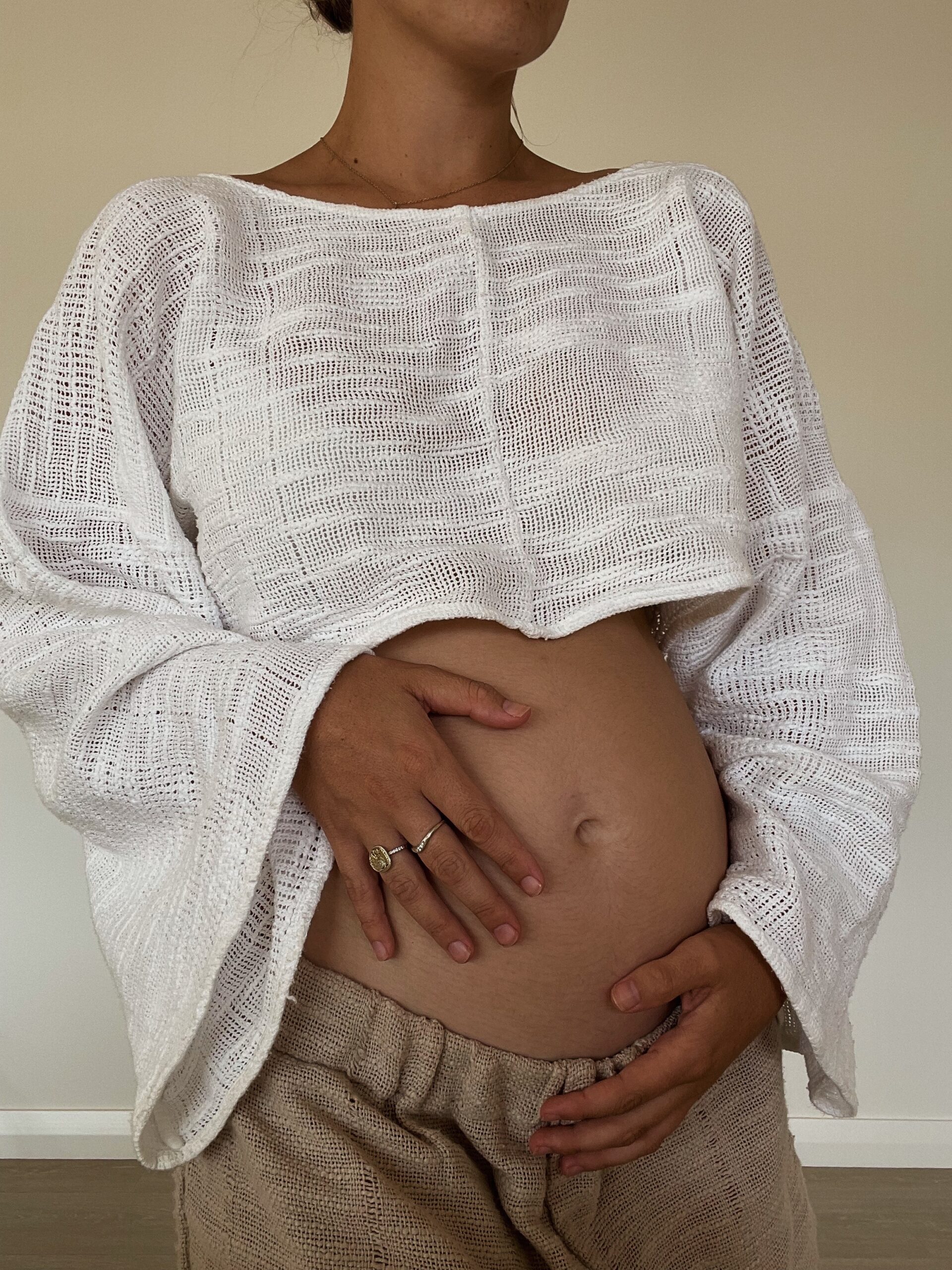
Gestational diabetes is a type of diabetes that occurs during pregnancy, most often diagnosed between weeks 24-28 of the pregnancy. The good news is that it usually resolves after birth, and it does not mean your baby will have diabetes.
However, women who have had gestational diabetes have a high risk of developing type 2 diabetes. For this reason, it is best to have regular health checks with your doctor in the months and years following your pregnancy and adopt a healthy lifestyle.
Gestational diabetes is most common among women:
- Over 30 years of age
- With a family history of type 2 diabetes
- Who are overweight
- Who are indigenous Australians and Torres Strait Islanders
- Of Indian, Vietnamese, Chinese, Middle Eastern and Polynesian ethnicity
- Who have had gestational diabetes during previous pregnancies
What causes gestational diabetes?
Hormone production and fluctuation during pregnancy can reduce the action of insulin, a hormone involved in the maintenance of stable blood glucose levels.
Insulin is released from your pancreas when blood glucose levels rise, typically after consuming food or beverages containing carbohydrates.
A reduction in the action of insulin during pregnancy requires increased production of insulin to compensate. If the increased need for insulin is unable to be produced by the body, blood glucose levels increase, and gestational diabetes may be diagnosed.
Being above your healthy weight before pregnancy or gaining too much weight during pregnancy can also increase the risk of developing gestational diabetes. To optimise your management of gestational diabetes, monitor and discuss weight gain with your dietitian.
How will diabetes affect my baby?
When a mother has high blood glucose levels, the developing baby may start to produce additional insulin. This additional insulin increases the growth rates of the baby. Having a large baby may require early delivery, despite not being fully mature.
Secondly, shortly after birth when the baby is no longer exposed to elevated blood glucose levels of the mother, low blood glucose levels may occur causing your baby to require specialist nursing care. However, when gestational diabetes is well controlled, these risks are greatly reduced.
How is gestational diabetes treated?
Management focuses on:
- Healthy eating and balanced meals
- Managing your carbohydrate portions and choosing low Glycaemic Index foods
- Appropriate weight gain
- Meeting nutrition needs for mum and baby
- Staying active
- Monitoring blood glucose levels as advised by your doctor and diabetes educator
Checking your levels two hours after meals can help you see how different foods affect your blood glucose
Support is available
If you are concerned about gestational diabetes for yourself or a loved one, I can provide personalised strategies and support to reduce risk and improve wellbeing.

0 Comments